Sustainable Landscaping Practices in Urban Areas Like Akron
JR
Understanding Sustainable Landscaping
Sustainable landscaping is an approach that seeks to create outdoor spaces that are environmentally friendly, economically viable, and aesthetically pleasing. In urban areas like Akron, adopting sustainable practices can significantly improve the quality of life and the environment.

Benefits of Sustainable Landscaping
Implementing sustainable landscaping practices offers numerous benefits. It helps reduce water consumption, minimizes the use of harmful chemicals, and supports local biodiversity. Moreover, sustainable landscapes can improve air quality and reduce urban heat islands.
One of the key advantages is the reduction of maintenance costs. By selecting native plants and efficient irrigation systems, homeowners and businesses can significantly lower their expenses related to garden upkeep.
Choosing Native Plants
Native plants are well-adapted to local climates and soils, making them an excellent choice for sustainable landscaping in Akron. They require less water, fertilizers, and pesticides, thus reducing the environmental impact.

In addition to being low-maintenance, native plants provide habitat for local wildlife. This supports pollinators like bees and butterflies, crucial for maintaining ecological balance.
Water Conservation Techniques
Water conservation is a vital component of sustainable landscaping. Techniques such as rainwater harvesting, drip irrigation, and the use of mulch can significantly reduce water usage.
Implementing a rain garden is another effective strategy. These gardens are designed to capture and filter rainwater, reducing runoff and promoting groundwater recharge.

Soil Health and Composting
Healthy soil is the foundation of any sustainable landscape. Incorporating organic matter and avoiding chemical fertilizers can enhance soil structure and fertility.
Composting is an excellent way to recycle garden and kitchen waste into nutrient-rich soil amendments. This not only reduces waste but also improves soil health, promoting robust plant growth.
Urban Challenges and Solutions
Urban areas present unique challenges for sustainable landscaping, such as limited space and pollution. Vertical gardens and green roofs are innovative solutions that maximize space and provide insulation to buildings.
Community gardens are another effective way to engage residents in sustainable practices. They foster a sense of community while providing fresh produce and greenery in urban settings.
Implementing Sustainable Practices
To implement sustainable landscaping, start by assessing your space and setting realistic goals. Consider consulting with a local expert to tailor a plan that suits your area’s specific needs.
Engaging with local workshops and sustainability groups can provide valuable resources and support. These communities often share knowledge and tools to help individuals and businesses in their sustainability journey.
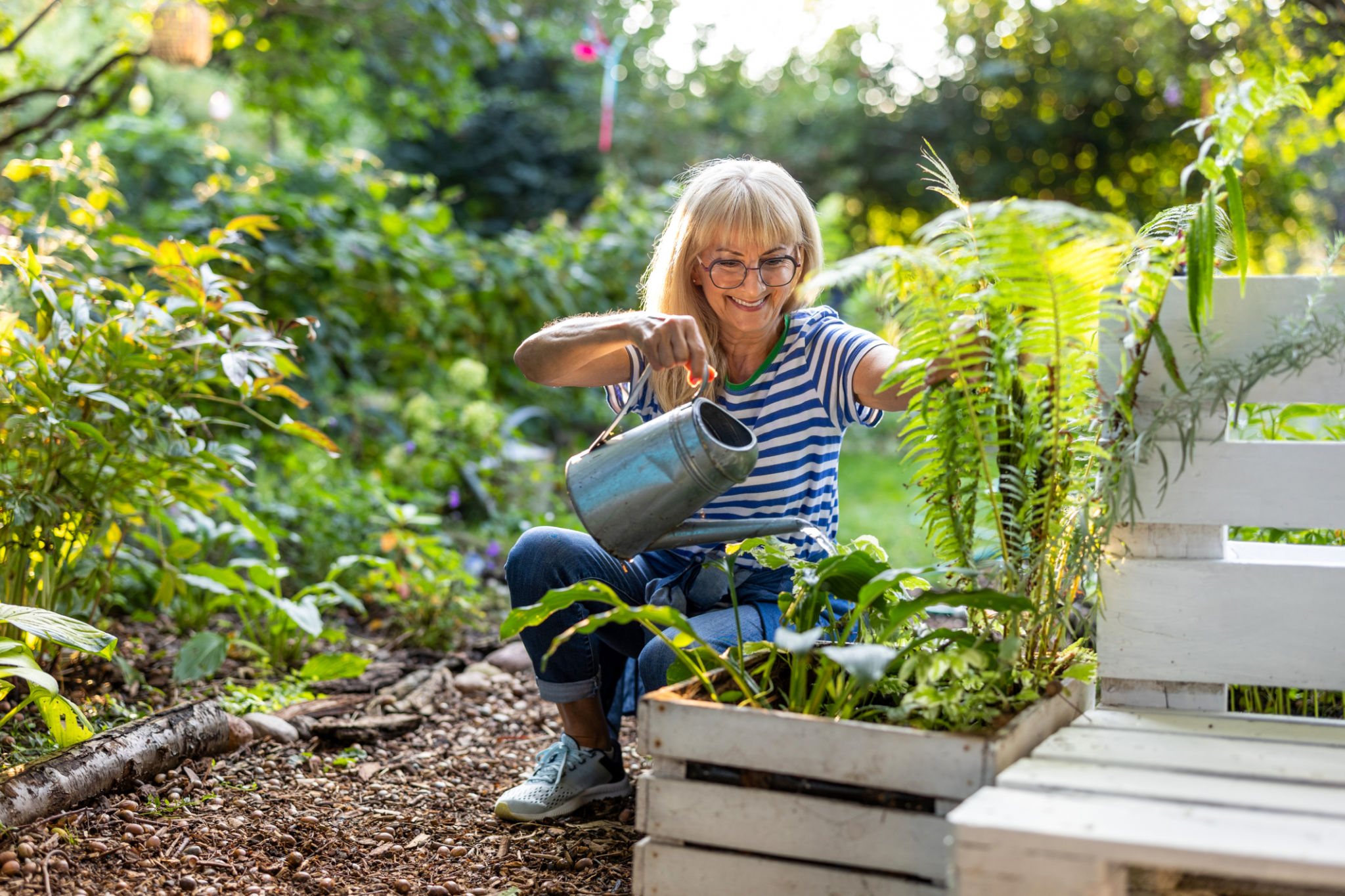
By embracing sustainable landscaping practices, urban areas like Akron can enhance their green spaces, contributing to a healthier and more vibrant environment for everyone.