Sustainable Landscaping Practices for Akron Homes: A Guide to Eco-Friendly Gardens
JR
As more homeowners in Akron embrace sustainability, eco-friendly landscaping practices are becoming increasingly popular. These methods not only benefit the environment but also enhance the beauty and functionality of gardens. By implementing sustainable landscaping, you can create a garden that's both gorgeous and environmentally responsible.
Sustainable landscaping involves a variety of techniques that focus on using resources efficiently and minimizing environmental impact. Whether you're starting from scratch or revamping an existing garden, there are numerous ways to incorporate sustainability into your landscaping plans.
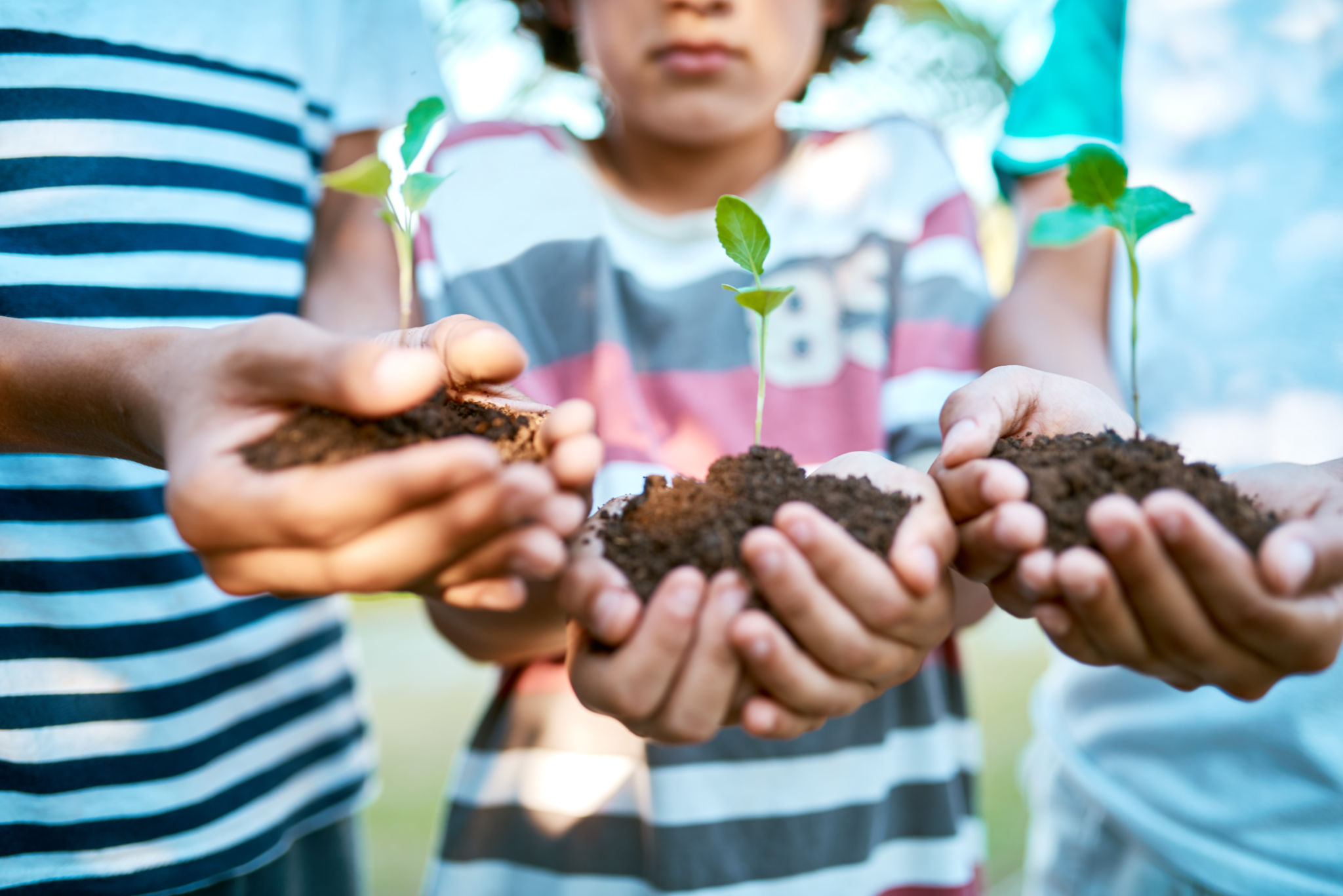
Native Plant Selection
Choosing native plants is a critical step in sustainable landscaping. Native plants are well-adapted to the local climate and soil conditions, requiring less water and maintenance. They also support local wildlife, providing habitats and food sources for pollinators like bees and butterflies.
When selecting plants, consider the specific conditions of your garden, such as sunlight, shade, and soil type. This will help ensure that your native plants thrive and contribute to a healthy ecosystem.
Benefits of Native Plants
- Reduced water usage: Native plants typically require less irrigation.
- Lower maintenance: These plants are adapted to local conditions, reducing the need for fertilizers and pesticides.
- Wildlife support: They provide essential resources for local fauna.

Water Conservation Techniques
Water conservation is a cornerstone of sustainable landscaping. Implementing strategies to reduce water usage not only benefits the environment but can also lower your utility bills. One effective method is installing a rainwater harvesting system to capture and store rainwater for garden use.
Additionally, consider using drip irrigation systems. These systems deliver water directly to the plant roots, minimizing evaporation and runoff. Mulching your garden beds can also help retain soil moisture and reduce the need for frequent watering.
Efficient Irrigation Practices
- Install rain barrels to collect and store rainwater.
- Use drip irrigation systems for targeted watering.
- Apply mulch to retain soil moisture.

Soil Health and Composting
Maintaining healthy soil is essential for a thriving garden. One way to enhance soil health is through composting, which recycles organic waste into nutrient-rich soil amendments. By using compost, you can reduce the need for chemical fertilizers and improve soil structure.
To start composting, collect kitchen scraps like vegetable peels and coffee grounds, along with yard waste such as leaves and grass clippings. Over time, these materials break down into a natural fertilizer that enriches your garden soil.
Composting Benefits
- Improves soil structure: Adds essential nutrients to the soil.
- Reduces waste: Diverts organic material from landfills.
- Supports plant growth: Enhances root development and plant health.

By integrating these sustainable landscaping practices, Akron homeowners can create beautiful, eco-friendly gardens that contribute positively to the environment. Embracing native plants, water conservation, and composting not only enhances your garden's aesthetic appeal but also supports local ecosystems and conserves resources. Start implementing these strategies today, and enjoy a greener, more sustainable garden.