Sustainable Landscaping: Reducing Your Carbon Footprint
JR
Understanding Sustainable Landscaping
Sustainable landscaping is an approach that focuses on creating and maintaining beautiful outdoor spaces while minimizing environmental impact. It involves using eco-friendly practices to reduce your carbon footprint and enhance biodiversity.
By adopting sustainable landscaping, you can create a garden that not only looks good but also supports local ecosystems. This approach involves selecting native plants, using water wisely, and reducing chemical use.

Choosing Native Plants
One of the most effective ways to practice sustainable landscaping is by selecting native plants. These plants are naturally adapted to the local climate and soil conditions, which means they require less water and maintenance. Additionally, they provide habitat and food for local wildlife.
Native plants are resilient and often more resistant to pests and diseases. This reduces the need for chemical fertilizers and pesticides, further minimizing your environmental impact.
Efficient Water Use
Water conservation is a critical component of sustainable landscaping. Implementing efficient irrigation systems, such as drip irrigation, can significantly reduce water waste. Collecting rainwater in barrels for garden use is another effective strategy.
Incorporating drought-resistant plants can also help reduce water usage. These plants thrive in dry conditions and require less frequent watering, making them an ideal choice for sustainable gardens.

Soil Health and Composting
Maintaining healthy soil is essential for sustainable landscaping. Healthy soil supports plant growth and reduces the need for chemical fertilizers. Regularly adding organic matter, such as compost, enhances soil structure and fertility.
Composting not only enriches the soil but also reduces waste by recycling organic material. By creating your own compost, you can turn kitchen scraps and yard waste into valuable nutrients for your garden.
Reducing Chemical Use
A key principle of sustainable landscaping is minimizing the use of synthetic chemicals. Opt for natural pest control methods, such as introducing beneficial insects or using organic sprays. This approach helps protect the environment and promotes a healthier ecosystem.
Using natural fertilizers, like compost or manure, can also contribute to a greener garden. These options are less harmful to the environment and can improve plant health.
Enhancing Biodiversity
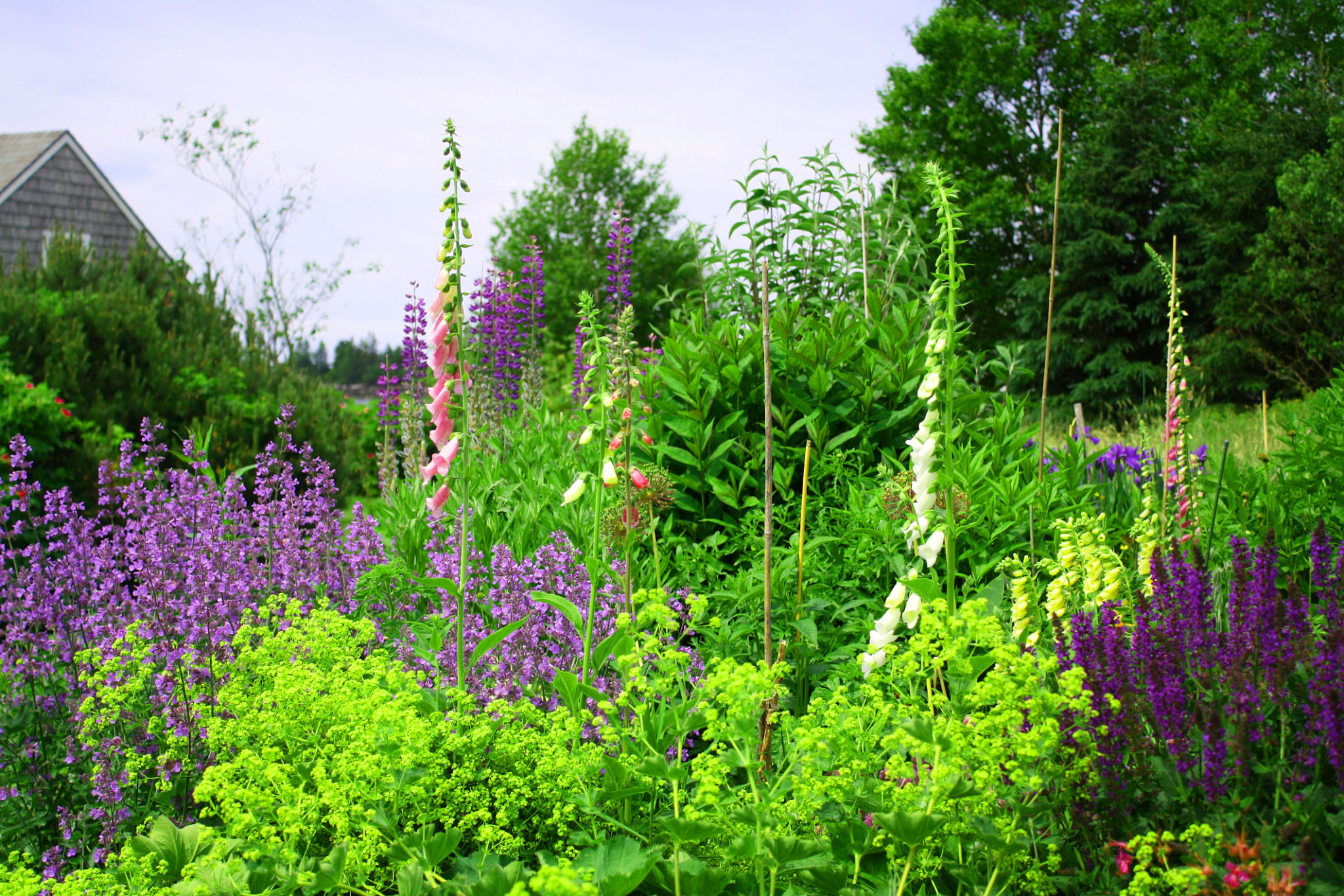
Encouraging biodiversity is another significant aspect of sustainable landscaping. By creating a diverse garden, you provide habitats for various species and support ecological balance. Plant a variety of flowers, shrubs, and trees to attract pollinators like bees and butterflies.
Incorporating elements such as birdhouses and water features can further enhance biodiversity. These additions provide shelter and resources for wildlife, turning your garden into a thriving ecosystem.
Conclusion
Sustainable landscaping offers a multitude of benefits, from reducing your carbon footprint to supporting local wildlife. By making conscious choices in your garden, you contribute to a healthier planet and create a beautiful, eco-friendly space.
Start small by choosing native plants, conserving water, and reducing chemical use. These simple steps can make a significant impact on the environment and lead you towards a more sustainable lifestyle.