Comprehensive Guide to Landscape Maintenance in Florida
JR
Understanding Florida's Unique Climate
Florida's climate is characterized by its high humidity, intense sunlight, and frequent rain. These conditions create both opportunities and challenges for landscape maintenance. Understanding how to work with these elements is key to achieving a lush and thriving garden.
Soil and Fertilization
The sandy soil prevalent in many parts of Florida can pose a challenge for gardeners. It's crucial to test your soil to determine its pH level and nutrient content. Adding organic matter and using the right fertilizers can greatly improve soil quality. Consider using slow-release fertilizers to provide a steady supply of nutrients to your plants.
Choosing the Right Plants
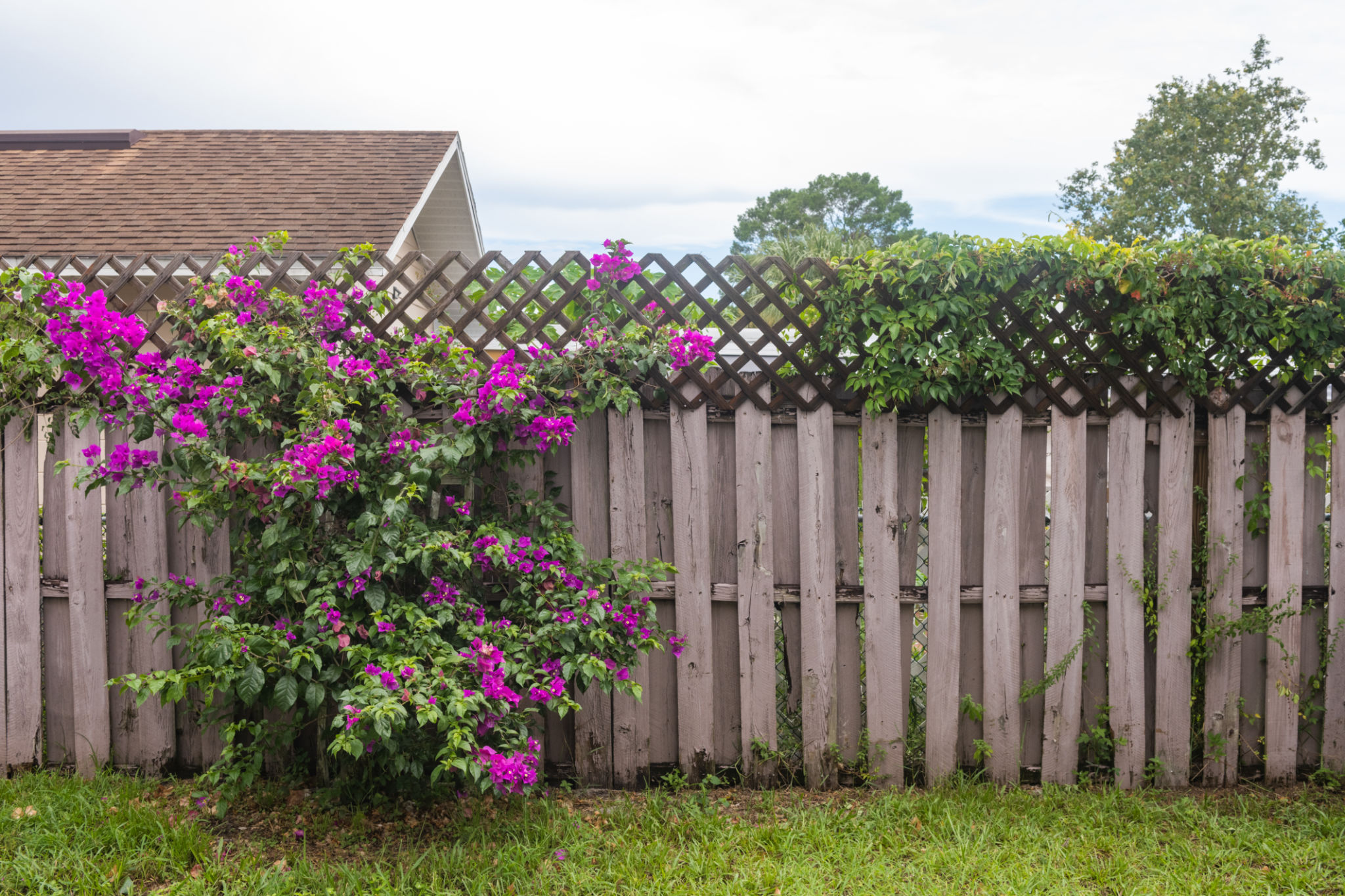
Selecting plants that are suited to Florida's climate is essential. Native plants are often the best choice as they are adapted to the local conditions. Popular options include palms, hibiscus, and bromeliads. These plants not only thrive in Florida's climate but also require less water and maintenance.

Planting Seasons
Timing is everything when it comes to planting in Florida. The best time to plant varies depending on the type of plant. Generally, spring and fall are ideal for most landscaping activities. However, some plants can be planted year-round, so understanding the specific needs of each species is vital.
Watering Techniques
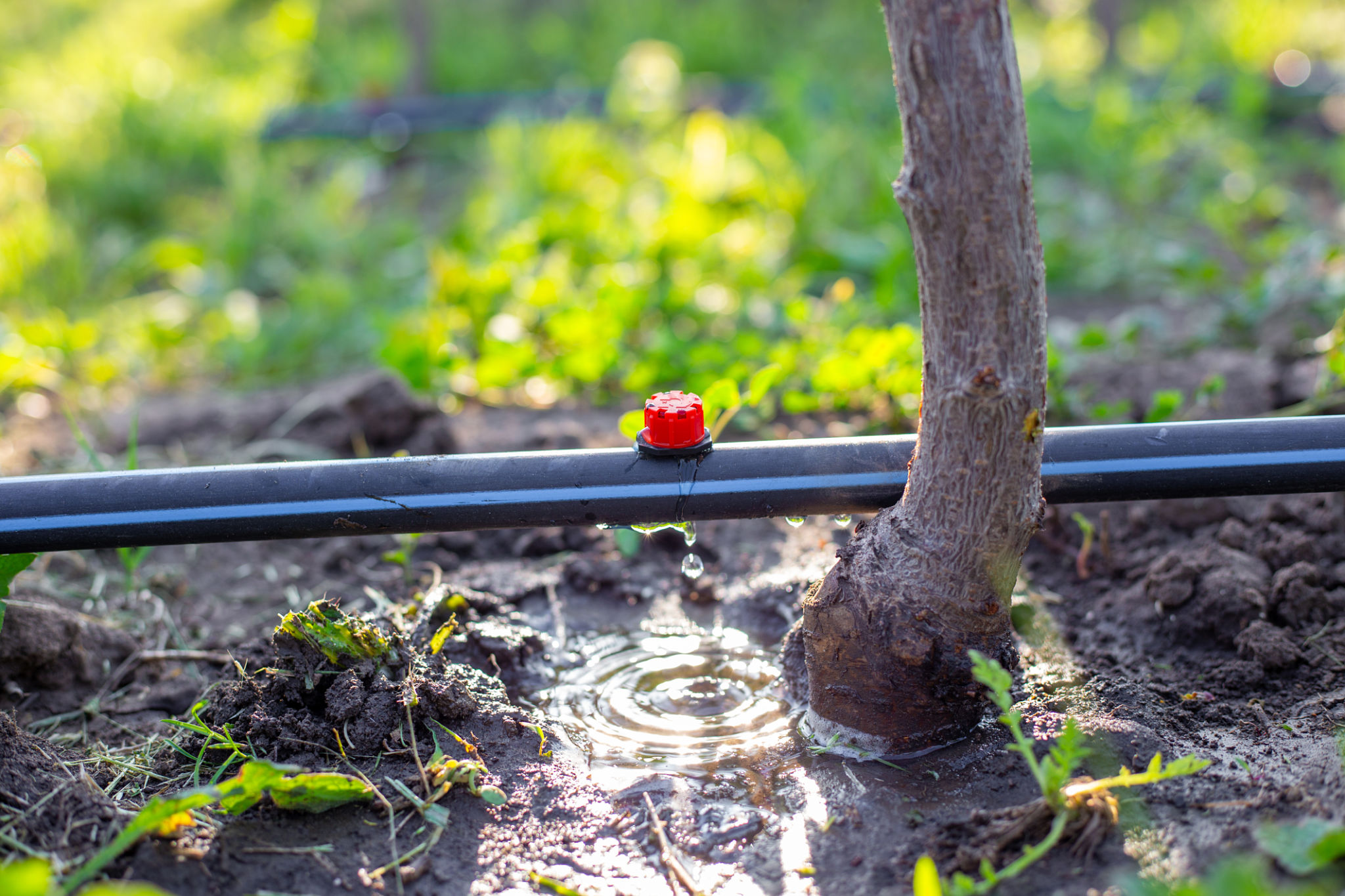
Efficient watering is crucial in Florida's climate. Overwatering can lead to root rot, while underwatering can stress plants. Consider using drip irrigation systems to deliver water directly to the roots, minimizing waste and promoting healthy growth. Additionally, watering early in the morning can reduce evaporation and ensure that plants receive the moisture they need.
Pest and Disease Management
Florida's warm climate is attractive to a variety of pests and diseases. Regular monitoring of your landscape is essential to catch any issues early. Integrated Pest Management (IPM) strategies, which combine biological, cultural, and chemical controls, can be effective in managing pests without harming the environment.
Common Pests
Common pests in Florida include aphids, whiteflies, and nematodes. Using natural predators like ladybugs and encouraging beneficial insects can help control pest populations. In some cases, targeted pesticide use may be necessary, but it should always be a last resort.

Lawn Care Tips
A healthy lawn is the foundation of any landscape. Regular mowing, aeration, and fertilization are key practices. Choose grass varieties that are well-suited to Florida's climate, such as St. Augustine or Zoysia grass. These grasses are more resistant to heat and drought, making them ideal for Florida lawns.
Conclusion
Maintaining a beautiful landscape in Florida requires understanding the unique climate and conditions of the area. By selecting the right plants, using efficient watering methods, and employing effective pest management strategies, you can create a thriving outdoor space that adds value and beauty to your property.