Common Misconceptions About Tree Care and Pruning Debunked
JR
Understanding the Basics of Tree Pruning
Pruning is an essential part of tree care that can significantly impact the health and longevity of your trees. However, there are many misconceptions about the best practices for pruning, leading to mistakes that can harm your trees. Here, we will debunk some of the most common misconceptions and provide clarity on how to properly care for your trees.
Myth: Pruning Can Be Done Any Time of the Year
One widespread misconception is that trees can be pruned at any time. While it's technically possible, the timing of pruning can affect the tree's health. The best time to prune most trees is during their dormant season, typically in late winter. This timing helps minimize sap loss and stress on the tree.
Pruning during the dormant season also reduces the risk of pest infestations, as many insects are less active. However, certain flowering trees might benefit from pruning right after their bloom period to enhance flowering for the next season.
Myth: Topping Trees is a Good Practice
Topping, or cutting off the top of the tree, is often thought to control tree height or promote bushy growth. However, this practice can be severely damaging. Topping creates weak branch structures, making trees more susceptible to diseases and pests.

Instead of topping, consider alternative pruning techniques that maintain the tree’s natural shape and health. Consulting with a certified arborist can provide guidance on the best practices specific to your trees.
Myth: All Trees Need Regular Pruning
While pruning can benefit many trees, not all require regular or extensive pruning. Understanding the specific needs of each tree species is crucial. Over-pruning can lead to stress and reduce the tree's ability to photosynthesize, affecting its overall growth.
In some cases, minimal pruning is needed, primarily to remove dead or diseased branches. It's essential to assess each tree individually and apply pruning techniques accordingly.

Myth: Anyone Can Prune a Tree
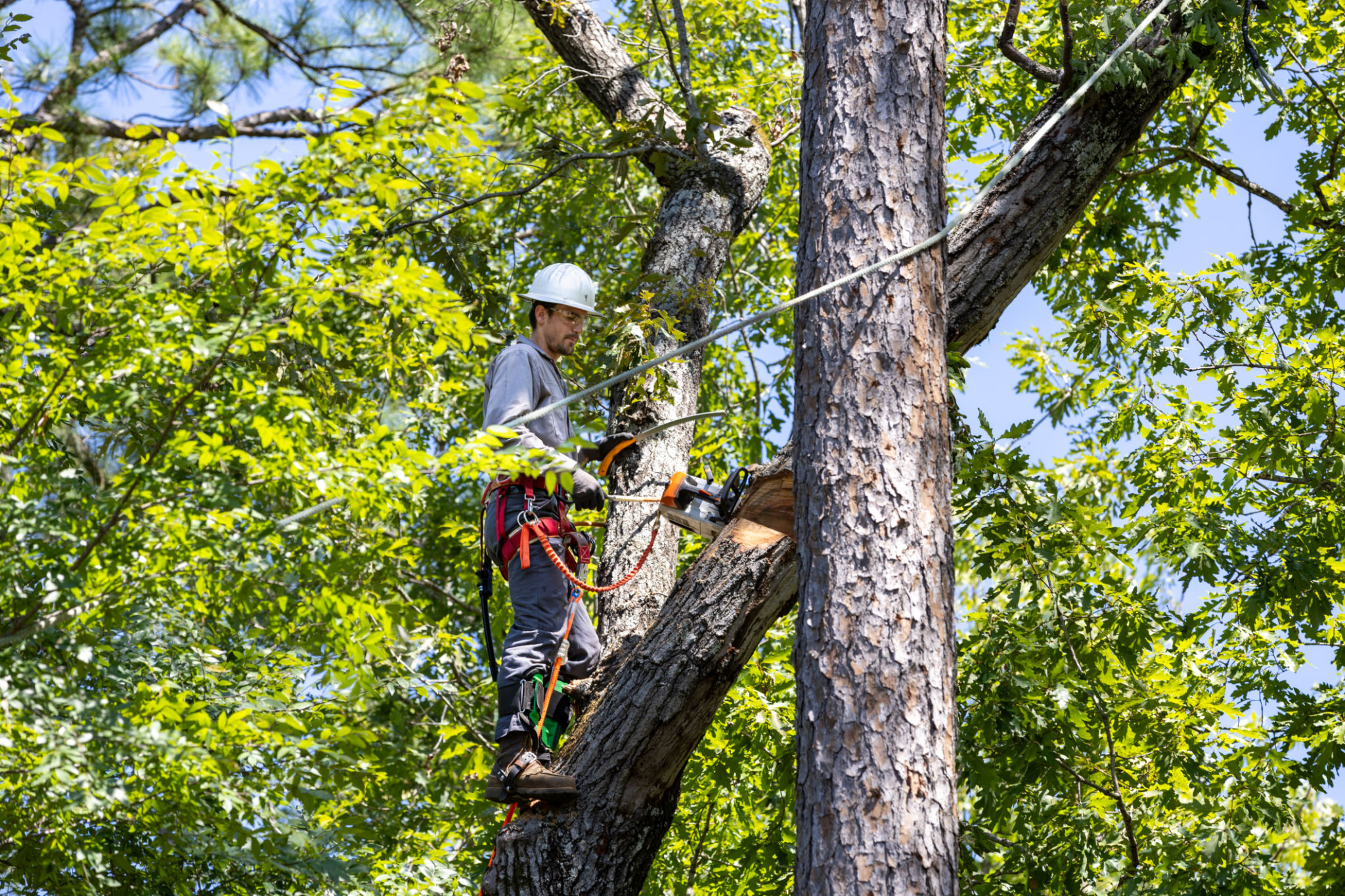
Tree pruning might seem straightforward, but it requires knowledge and skill to do it correctly. Improper pruning can cause lasting damage to a tree, potentially leading to its decline and death. Hiring a professional arborist ensures that pruning is done safely and effectively, promoting the tree's health and longevity.
Professional arborists are trained to identify the specific needs of different tree species and can make informed decisions about which branches to remove and how to shape the tree for optimal health.
Conclusion
By understanding the truths behind these common misconceptions, you can make informed decisions about tree care and pruning. Proper pruning techniques not only enhance the beauty and structure of your trees but also ensure their health for years to come. When in doubt, consulting with a professional can provide peace of mind and expert guidance.