Case Study: Transforming an Akron Backyard with Sustainable Practices
JR
Introduction to Sustainable Backyard Transformation
In the heart of Akron, a remarkable transformation took place in a modest backyard. This project showcases how sustainable practices can turn an ordinary outdoor space into an eco-friendly haven. The homeowners aimed to create a garden that not only provided beauty but also supported local biodiversity and reduced environmental impact.

Initial Assessment and Planning
The first step in this transformation was a comprehensive assessment of the existing landscape. The team evaluated soil quality, sunlight exposure, and existing plant life. Understanding these factors was crucial for planning a garden that would thrive in its natural environment.
Based on the assessment, the team devised a plan that prioritized native plants, water conservation, and minimal chemical use. These elements formed the backbone of the project, ensuring that the garden would be both beautiful and sustainable.
Selection of Native Plants
Choosing the right plants was essential for the success of this project. Native plants were selected for their ability to thrive in local soil and climate conditions. This choice supports local wildlife, such as bees and butterflies, and reduces the need for fertilizers and pesticides.

Water Conservation Techniques
Water conservation was another critical aspect of the project. The team installed a rainwater harvesting system, which collects rainwater for irrigation. This system significantly reduces the need for municipal water, promoting sustainability and lowering costs.
Additionally, drip irrigation was employed to ensure that water is delivered directly to the plant roots, minimizing waste and maximizing efficiency. These techniques demonstrate how water conservation can be seamlessly integrated into garden design.
Soil Improvement Strategies
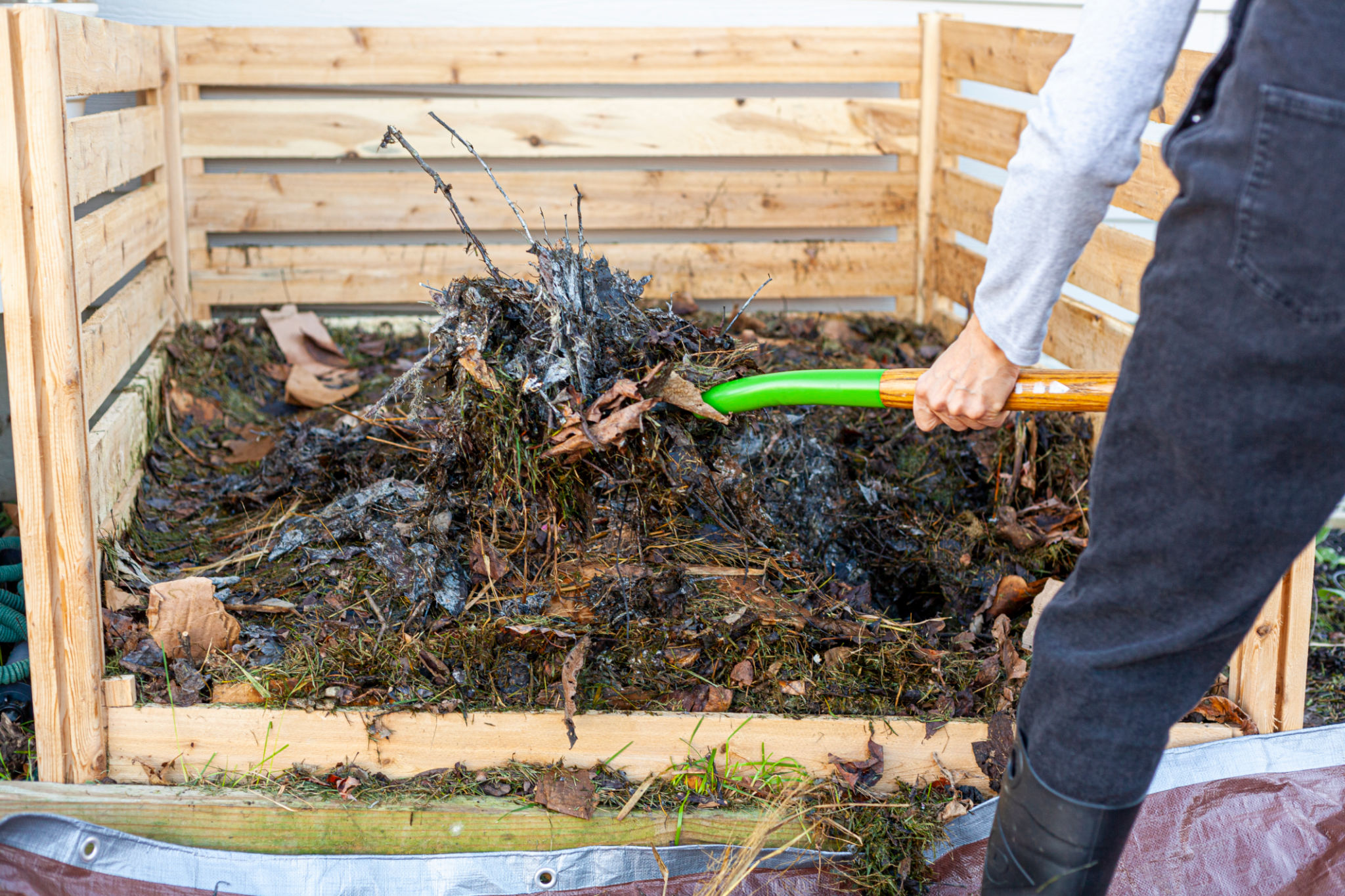
Improving soil health was vital for supporting the new plant life. Composting was introduced to enrich the soil with organic matter, enhancing its structure and fertility. This practice not only improves plant growth but also recycles kitchen and garden waste.
Implementation and Community Involvement
With the plan in place, the implementation phase began. Community involvement was encouraged, fostering a sense of ownership and education about sustainable practices. Workshops were held to teach neighbors about composting, native plants, and water conservation.
Volunteers from the community helped with planting and setup, making the project a collaborative effort. This involvement not only enriched the project but also spread awareness about the importance of sustainability.
Results and Environmental Impact
The transformation of this Akron backyard serves as an inspiring case study in sustainable landscaping. The garden now flourishes with native plants, providing a habitat for local wildlife and requiring minimal maintenance. Water usage has decreased, and the soil is healthier than ever.

Conclusion and Future Prospects
This project has set a precedent for sustainable landscaping in urban areas. It demonstrates that with thoughtful planning and community engagement, any backyard can be transformed into an eco-friendly sanctuary.
The homeowners are now advocates for sustainable practices, sharing their experience with others who wish to make similar changes. This case study not only highlights the potential for environmental impact but also underscores the power of community action.