Case Study: Transforming an Akron Backyard with Sustainable Landscaping
JR
Introduction to Sustainable Landscaping
In recent years, sustainable landscaping has become an increasingly popular choice for homeowners looking to enhance their outdoor spaces while minimizing environmental impact. This case study explores how a backyard in Akron was transformed using sustainable landscaping techniques.

The Initial Challenges
The Akron backyard faced several challenges, including poor soil quality, inefficient water usage, and a lack of biodiversity. The homeowners wanted a solution that not only addressed these issues but also created a beautiful and functional outdoor space.
To achieve this, the landscaping team focused on three main goals: improving soil health, implementing water-efficient practices, and enhancing biodiversity.
Improving Soil Health
Healthy soil is the foundation of any successful landscape. The team began by testing the soil and adding organic matter to improve its structure and fertility. Composting became an essential practice, enriching the soil with nutrients while reducing waste.

Implementing Water-Efficient Practices
Water conservation is a critical aspect of sustainable landscaping. The Akron backyard incorporated several techniques to reduce water usage:
- Drip Irrigation: A drip irrigation system was installed to deliver water directly to the plant roots, minimizing evaporation and runoff.
- Rainwater Harvesting: Rain barrels were used to collect and reuse rainwater, further reducing reliance on municipal water sources.
Enhancing Biodiversity
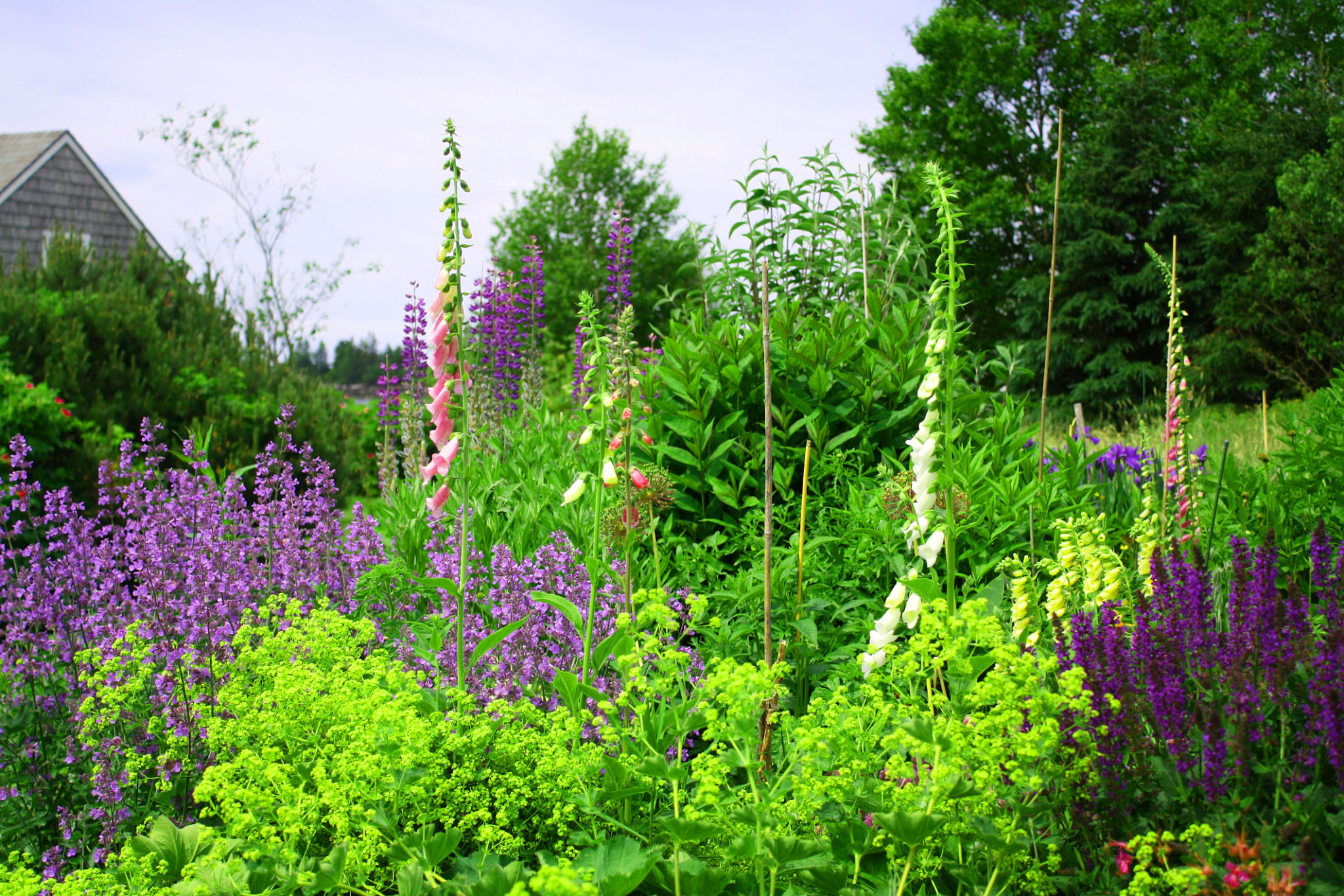
Creating a biodiverse environment was another key focus. The team selected native plants that thrive in the local climate, attracting beneficial insects and birds. This not only improved the visual appeal of the garden but also contributed to a healthier ecosystem.
The Final Transformation
The transformation of the Akron backyard was remarkable. The once barren and inefficient space became a lush, vibrant garden that the homeowners could enjoy year-round. The sustainable practices implemented not only improved the aesthetics but also provided long-term environmental benefits.
Lessons Learned
This project highlighted several important lessons:
- Sustainable landscaping can be both beautiful and functional.
- Simple changes, like composting and native planting, have a significant impact.
- Water-efficient practices are essential for long-term sustainability.
Conclusion
The Akron backyard serves as an inspiring example of how sustainable landscaping can transform an ordinary space into an extraordinary one. By focusing on soil health, water efficiency, and biodiversity, homeowners can create an environmentally friendly oasis that benefits both people and the planet.
