Avoid These Common Mistakes in Spring Garden Preparation
JR
Introduction
Spring is just around the corner, and for many gardening enthusiasts, it’s time to prepare for a bountiful season. However, even seasoned gardeners can make common mistakes that affect their garden’s productivity. By avoiding these pitfalls, you can ensure a thriving garden this year.
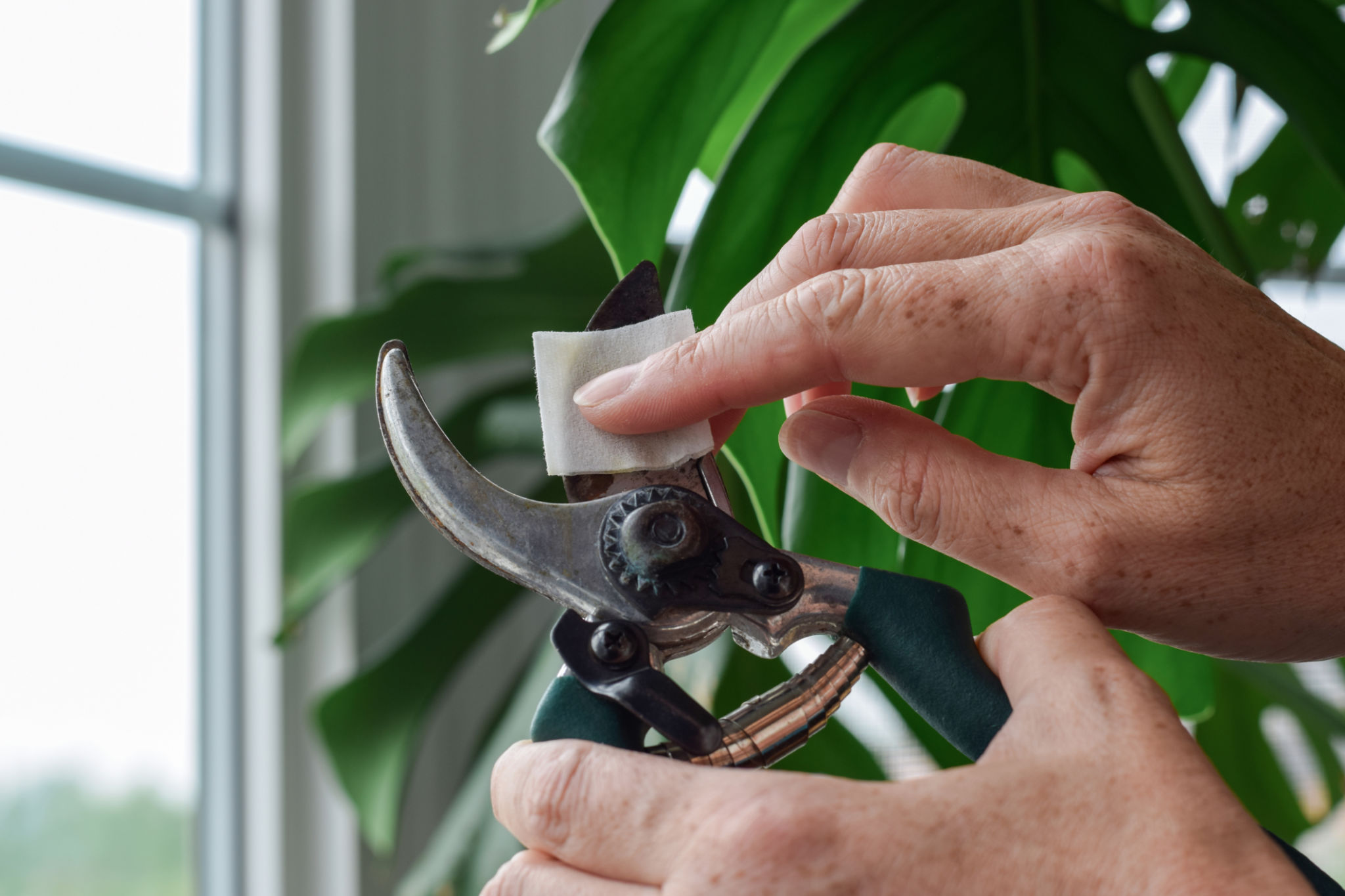
Ignoring Soil Quality
One of the biggest mistakes is overlooking the importance of soil quality. Healthy soil is the foundation of a successful garden. Make sure to test your soil's pH and nutrient levels. You can purchase a soil test kit at most garden centers, which will help you determine what amendments are necessary.
After testing, consider adding organic matter such as compost or well-rotted manure to improve soil fertility. This practice not only enriches the soil but also enhances its structure, allowing for better water retention and root growth.
Neglecting Soil Preparation
Once you've improved your soil, it’s crucial to prepare it properly. Till the soil to aerate it and break up any clumps. Be cautious not to over-till, as this can damage the soil structure and lead to erosion. Aim to till when the soil is moist, but not overly wet.

Planting Too Early
Timing is everything in gardening. Planting too early in the season can expose tender plants to late frosts, which can be detrimental. Be sure to check your local frost dates and plan your planting schedule accordingly.
Consider starting seeds indoors or using cold frames to give your plants a head start without exposing them to harsh outdoor conditions. This approach allows you to transplant stronger seedlings into your garden once the danger of frost has passed.
Ignoring Plant Spacing
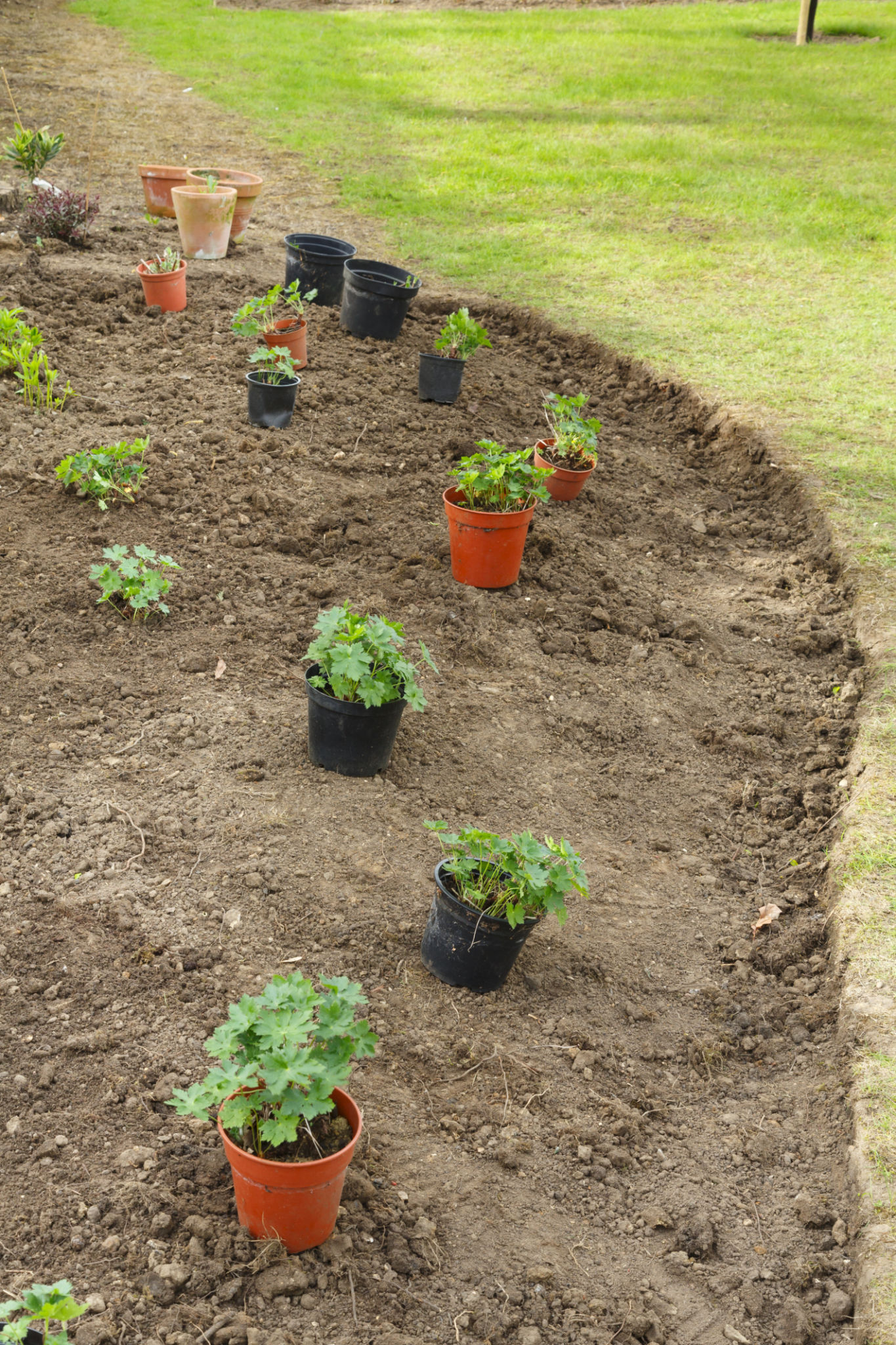
Proper spacing is a key factor often overlooked by gardeners. Crowded plants compete for sunlight, water, and nutrients, which can stunt their growth. Follow the spacing recommendations on seed packets or plant labels to ensure each plant has enough room to thrive.
Overlooking Pest Control
Ignoring pest management can lead to significant damage, affecting both plant health and yield. Regularly inspect your plants for signs of pests and take action early to prevent infestations. Use natural methods such as introducing beneficial insects or applying organic pesticides to maintain a balanced ecosystem.
Additionally, practicing crop rotation and companion planting can help deter pests and reduce the likelihood of disease.
Failing to Plan for Watering
Proper watering is essential for garden success. Too much or too little water can harm your plants. Install a drip irrigation system or use soaker hoses to ensure consistent and efficient watering. This approach conserves water and reduces the risk of diseases associated with overhead watering.

Conclusion
By avoiding these common spring garden preparation mistakes, you can set the stage for a flourishing garden. Take the time to test and prepare your soil, plan your planting schedule carefully, and be mindful of spacing and pest control. With these strategies, you’ll be well on your way to enjoying a productive and beautiful garden this season.