10 Must-Know Myths About Lawn Care in Florida
JR
Understanding Lawn Care in Florida
Lawn care in Florida presents unique challenges and opportunities due to its distinctive climate. However, misconceptions often lead to ineffective practices. Here, we debunk ten common myths about lawn care in the Sunshine State.

Myth 1: All Grass Types Are the Same
One of the biggest misconceptions is that all grass types require the same care. In reality, Florida's climate supports a variety of grasses such as St. Augustine, Bermuda, and Zoysia, each with specific needs. Understanding the requirements of your lawn's grass type is essential to its health.
Myth 2: Watering Daily Is Necessary
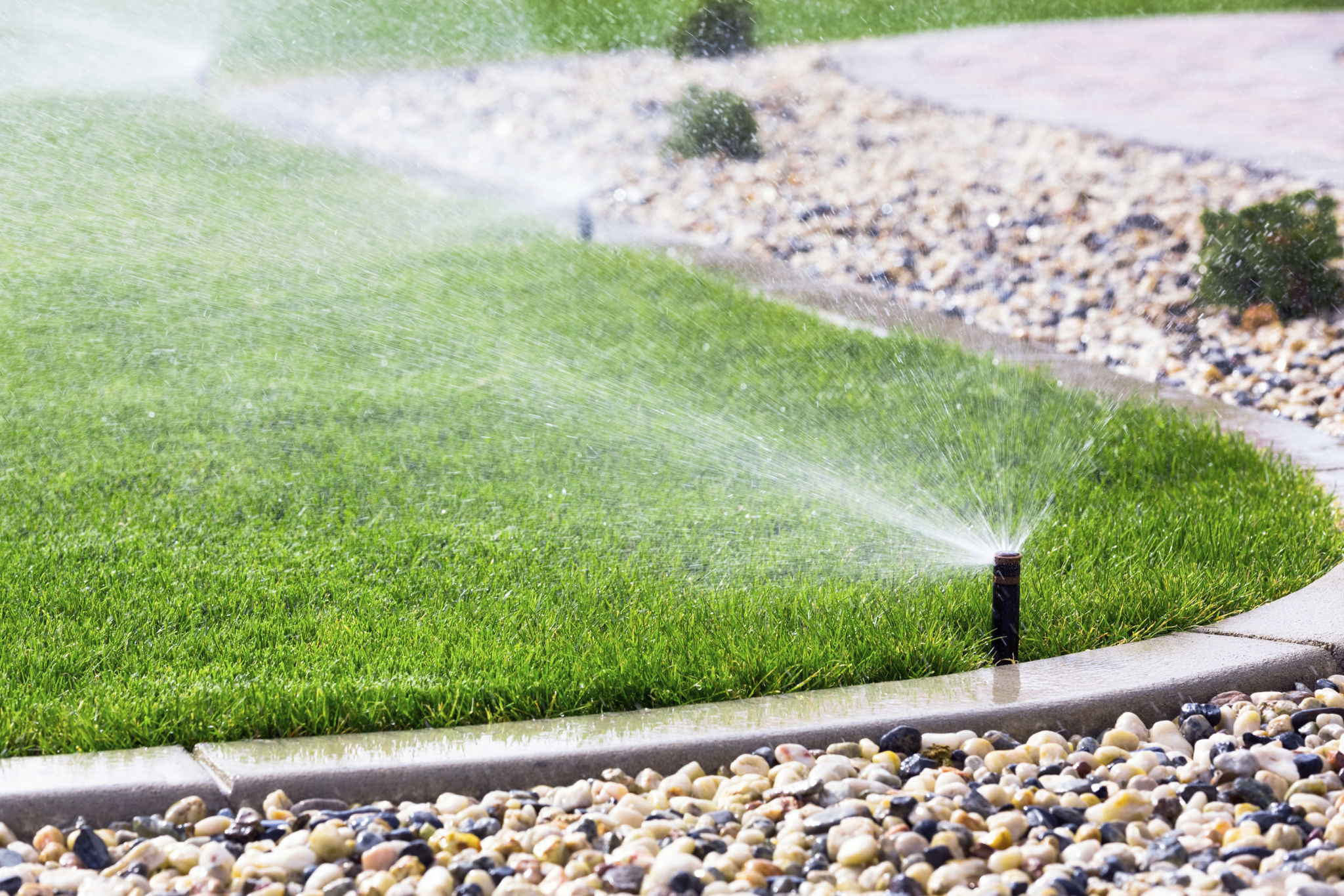
Many assume that daily watering is a must, but this can lead to overwatering and disease. Florida lawns typically thrive with one to two inches of water per week. Adjusting irrigation systems to provide deep, infrequent watering encourages deeper root growth.
Myth 3: Fertilizer Can Be Used Anytime
Timing is crucial when applying fertilizer. Using fertilizer during the wrong season can harm your lawn. In Florida, late spring and early fall are optimal for fertilization, aligning with growth cycles and minimizing environmental runoff.
Debunking More Lawn Care Myths
Myth 4: Pesticides Are Always Safe
While pesticides can control pests, they should be used sparingly and with caution. Overuse can cause harm to beneficial insects and the environment. Integrated pest management techniques offer a balanced approach.

Myth 5: Mowing Short Is Better
Cutting grass too short can stress the lawn and encourage weed growth. It's best to follow the one-third rule: never remove more than one-third of the leaf blade at a time. This promotes a healthy, thick lawn.
Myth 6: Grass Clippings Must Be Removed
Leaving grass clippings on the lawn is often seen as untidy, but they can actually provide valuable nutrients. As they decompose, clippings return nitrogen to the soil, reducing the need for synthetic fertilizers.
More Misconceptions About Florida Lawn Care
Myth 7: All Weeds Should Be Eliminated
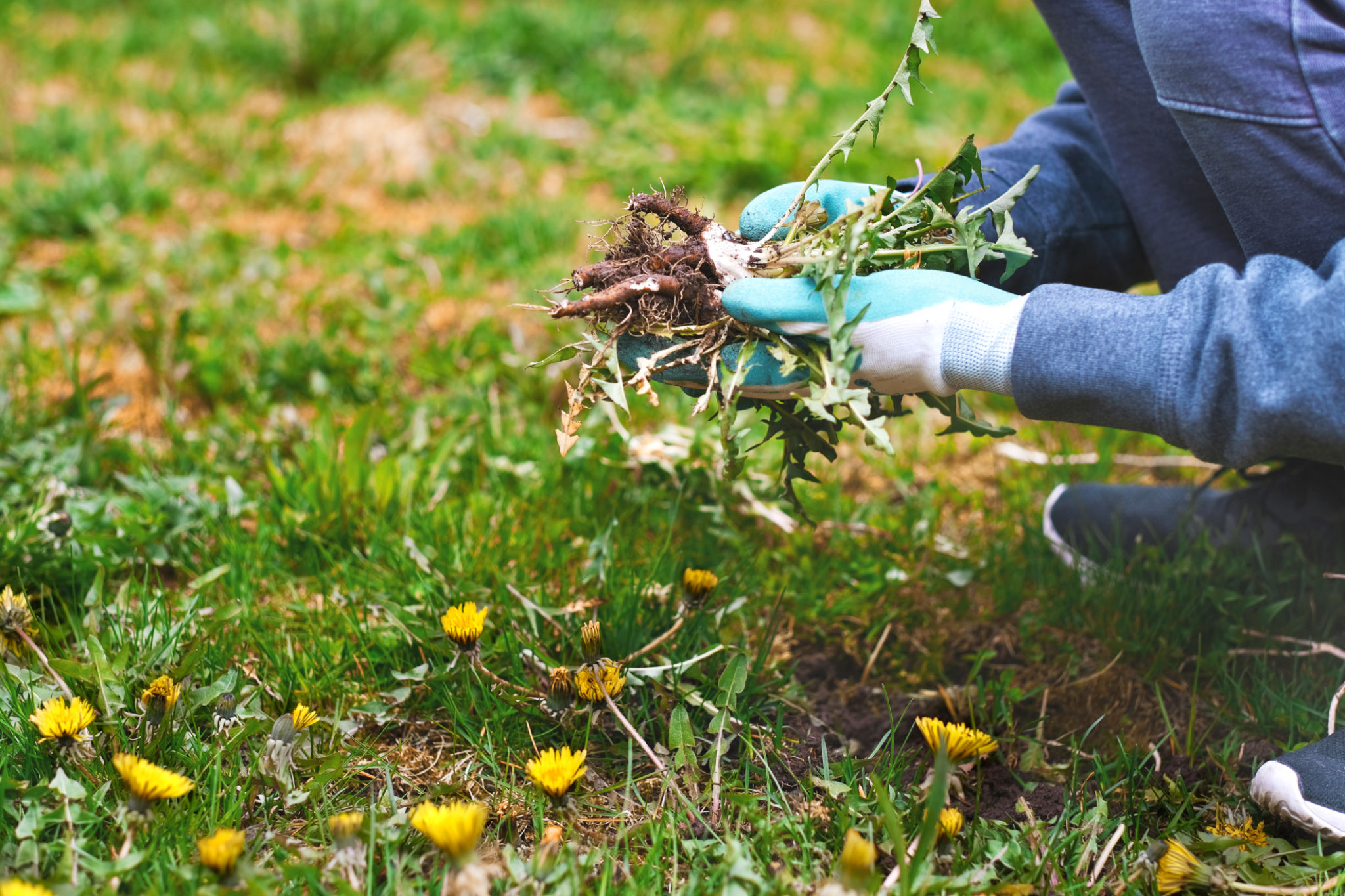
While some weeds compete with grass for nutrients, others can coexist without harm. Identifying and selectively targeting problematic weeds helps maintain lawn health without unnecessary chemical use.
Myth 8: Lawn Care Is the Same Year-Round
Lawn care in Florida requires seasonal adjustments. From adjusting mowing heights to modifying watering schedules, understanding seasonal changes ensures a lush, green lawn throughout the year.
Myth 9: New Lawns Need Frequent Fertilization
Newly established lawns require time to settle before fertilization. Over-fertilizing can damage young grass. It's best to wait until the lawn shows signs of growth before fertilizing, typically after 30 to 60 days.
Myth 10: Professional Help Is Unnecessary
While many homeowners take pride in DIY lawn care, professional services offer expertise and efficiency. Lawn care professionals can provide tailored advice and services that save time and enhance lawn health.
By dispelling these myths, Florida homeowners can adopt lawn care practices that lead to healthier, more sustainable lawns. Understanding local conditions and adjusting strategies accordingly is key to success.